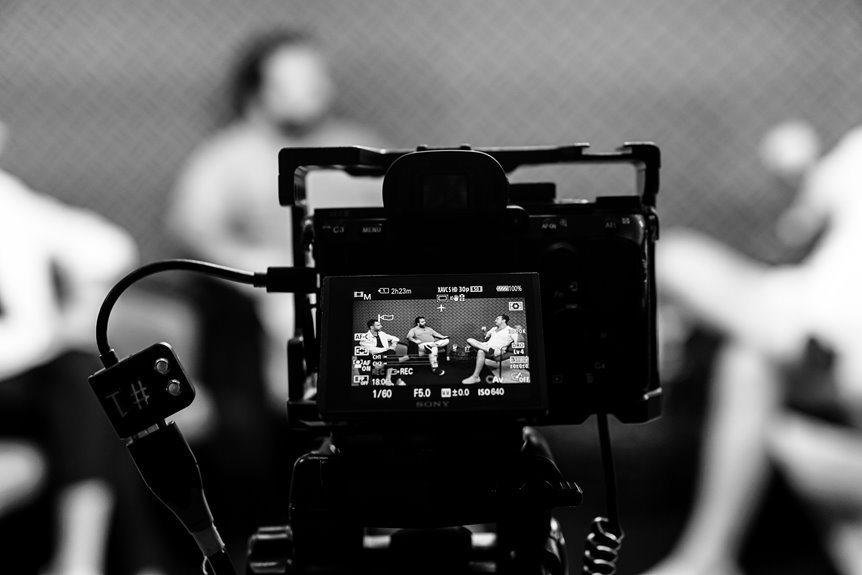
Interview B-roll functions as a quiet companion to the speaker, not a distraction. Visuals should mirror each beat with clean framing, controlled depth, and steady exposure. Plan ahead, mapping shots to cadence, pauses, and emotion. The focus remains the interview; lighting and audio must stay consistent to preserve it. A cohesive workflow and accurate metadata keep the sequence intact, but questions linger: how will each cut sustain the narrative without stealing the spotlight?
Define the Role of Interview B-Roll in Storytelling
Interview B-roll serves as the visual complement to spoken content, providing context, emotion, and rhythm without competing with the narrator. It defines relevance, guiding viewer attention while preserving narrative flow. The role emphasizes contrast rhythm, matching pauses with imagery.
Effective b roll cadence supports meaning, clarifies intent, and underlines key points, enabling viewers to process, reflect, and feel the story’s truth with freedom.
Plan and Pre-Visualize B-Roll That Matches the Story Beat
Plan and pre-visualize B-roll that aligns with the story beat by mapping each narrative moment to specific visuals, durations, and transitions. This method centers on planning visuals and beat mapping to ensure coherence, pacing, and emotional cadence. Visuals-first planning reduces guesswork, enabling efficient shoots, clear storytelling, and freedom to adjust concepts without losing the narrative through-line.
Master Camera Settings and Shooting Techniques for B-Roll
Precision in camera settings and technique forms the backbone of effective B-roll. The guide emphasizes deliberate choices: frame rate, shutter speed, and aperture to craft motion and depth. Each shot prioritizes storytelling with clean lines and minimal clutter. Shooting techniques emphasize fluidity, while exposure control ensures tonal harmony across sequences, enabling consistent visuals and flexible post-processing.
Nail Lighting and Audio to Keep the Interview as the Star
Lighting and audio are the anchors that keep the subject front and center after establishing strong B-roll.
The lighting setup should sculpt faces with soft, directional light, avoiding harsh shadows while maintaining separation from the background.
Audio capture must be clean, consistent, and free of room tone glitches, ensuring the interview remains the star of the scene.
Polish, Metadata, and Workflows to Stay Cohesive With the Interview
Polish, metadata, and streamlined workflows keep the interview cohesive by aligning every asset to a single narrative thread. Consistent polish metadata ensures shots, sound, and graphics reference the same context, while cohesive workflows reduce drift across teams. Visuals-driven checks, metadata tagging, and standardized timelines secure continuity, enabling editors to preserve voice, pacing, and intent without sacrificing creative freedom.
Frequently Asked Questions
How Do I Choose B-Roll That Complements but Doesn’T Compete With the Interview?
Choosing b-roll that complements without competing rests on deliberate pacing and clear visuals that support the interview. B-roll pacing aligns with cadence; interview synergy emerges when cuts reinforce statements, not distract, preserving narrative freedom.
What Are Quick, Unobtrusive Techniques to Micro-Gestures in B-Roll?
Gliding like a whispering breeze, micro gestures can be captured with unobtrusive techniques: tight framing, static camera, natural movement, unobtrusive lighting, and brief hands or facial cues that subtly reinforce narration without stealing focus.
How Can B-Roll Support Rhythm Without Distracting From the Interviewer’s Questions?
B roll rhythm enhances flow by subtly punctuating questions, while interview support remains dominant. The visuals stay concise, precise, and unobtrusive, guiding viewers with rhythm rather than overpowering, allowing the subject’s answers to breathe and audience freedom to linger.
What Are Common Pitfalls When Integrating B-Roll With Interview Audio Levels?
In quiet shadows, pitfalls emerge when adjusting b roll audio and interview pacing, as misbalanced levels obscure intent. The risk lies in distraction, inconsistency, and abrupt transitions that erode clarity and audience freedom.
How Should B-Roll Be Organized for Rapid Editorial Assembly?
The organization workflow for b-roll should be modular and taggable, enabling rapid assembly. A clear shot taxonomy sorts angles, motions, and durations, while metadata and folders streamline editing, balancing visuals-first choices with disciplined flexibility for an audience seeking freedom.
Conclusion
Interview B-roll should amplify the spoken narrative without overpowering it. In closing, maintain a visuals-first discipline: precise framing, controlled depth, and consistent exposure keep the interview the star. Plan every beat, pre-visualize transitions, and shoot with clean audio and lighting. Metadata and workflow discipline seal continuity across shots, sound, and graphics. The result is cohesive storytelling where each cut respects rhythm and pauses—like a synchronized clock from a Renaissance painter to a modern drone, bridging eras with clarity and purpose.