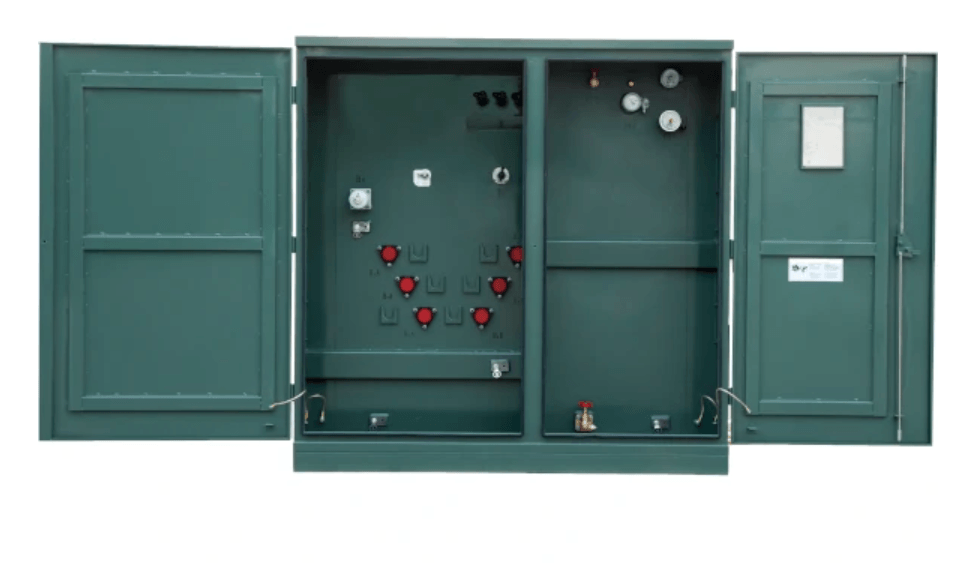
A zigzag transformer is a specialized transformer widely used in electrical power systems to improve grounding, stabilize voltage, and enhance overall system performance in distribution networks. In modern power infrastructure, maintaining system reliability and safety is essential, and zigzag transformers play a crucial role in achieving these objectives. They are particularly valuable in three phase systems where neutral grounding and fault current management are critical for operational stability. By redistributing phase currents in a unique configuration, these transformers help ensure safer and more efficient power distribution across industrial, commercial, and utility networks.
This article explores the key advantages of zigzag transformers in power distribution systems and explains why they are an essential component in modern electrical engineering applications.
Understanding the Working Principle of Zigzag Transformers
A zigzag transformer is designed with interconnected windings that split each phase into two equal halves and connect them in a zigzag or interleaved pattern. This configuration allows the transformer to create a stable neutral point without requiring a direct connection to the system neutral.
When the system operates under normal conditions, the zigzag transformer carries minimal current. However, during unbalanced loads or ground faults, it provides a low impedance path for zero sequence currents. This helps in controlling fault currents and maintaining voltage stability across the system.
The unique winding arrangement is what makes the zigzag transformer especially effective for grounding applications in power distribution systems.
Enhanced Grounding Stability
One of the most significant advantages of zigzag transformers is their ability to provide strong and stable system grounding. In many distribution networks, especially those without a natural neutral point, grounding becomes a challenge.
Zigzag transformers solve this issue by creating an artificial neutral point that remains stable under varying load conditions. This ensures that the system maintains a consistent reference to ground, reducing the risk of voltage fluctuations and electrical hazards.
Stable grounding also improves the performance of protective devices such as circuit breakers and relays, allowing them to operate more accurately during fault conditions.
Effective Fault Current Limitation
Zigzag transformers play an important role in managing ground fault currents. During a line to ground fault, the transformer provides a controlled path for fault current to flow, preventing excessive current buildup in the system.
This controlled current flow helps in:
- Reducing damage to electrical equipment
- Minimizing thermal stress on conductors
- Improving fault detection accuracy
- Enhancing overall system protection coordination
By limiting fault current levels, zigzag transformers contribute to safer and more reliable power distribution systems.
Improved Voltage Balance in Three Phase Systems
Unbalanced loads are common in power distribution systems, especially in industrial and commercial environments where equipment usage varies significantly across phases. This imbalance can lead to voltage fluctuations and reduced system efficiency.
A zigzag transformer helps mitigate these issues by redistributing unbalanced currents across phases. This balancing effect improves voltage stability and ensures that electrical equipment operates within safe voltage limits.
As a result, the system experiences reduced losses, improved efficiency, and extended equipment lifespan.
Reduction of Harmonics and Electrical Noise
Electrical harmonics are unwanted distortions in voltage and current waveforms that can negatively affect system performance. Zigzag transformers help reduce certain harmonic components, particularly triplen harmonics such as third, ninth, and fifteenth harmonics.
These harmonics often accumulate in the neutral conductor and can cause overheating and inefficiencies. The zigzag winding configuration provides a path for these harmonic currents to circulate within the transformer instead of spreading through the distribution network.
This results in:
- Cleaner power supply
- Reduced overheating of conductors
- Improved performance of sensitive equipment
- Lower electrical noise in the system
Support for Renewable Energy Integration
With the increasing adoption of renewable energy sources such as solar and wind, power distribution systems are becoming more complex and dynamic. These systems often introduce variability and instability in voltage and frequency.
Zigzag transformers help stabilize these fluctuations by providing grounding and balancing support. They ensure that renewable energy systems can be safely integrated into the grid without compromising system reliability.
In solar power installations, for example, zigzag transformers are commonly used to stabilize inverter outputs and maintain proper grounding conditions.
Increased System Safety and Protection
Safety is a primary concern in all power distribution systems. Zigzag transformers enhance safety by ensuring that fault currents are properly directed and controlled.
During ground faults, the transformer helps maintain predictable current paths, which allows protective devices to isolate faulty sections quickly. This reduces the risk of electrical fires, equipment damage, and operational hazards.
Additionally, the stable grounding provided by zigzag transformers reduces the likelihood of dangerous voltage buildup on equipment enclosures.
Applications in Industrial and Commercial Systems
Zigzag transformers are widely used across various sectors due to their versatility and reliability. Common applications include:
- Industrial manufacturing plants with heavy machinery loads
- Commercial buildings with complex electrical distribution systems
- Utility substations requiring neutral grounding solutions
- Renewable energy plants such as wind and solar farms
- Data centers where power stability is critical
In each of these environments, the transformer helps maintain system reliability and operational efficiency.
Key Advantages of Zigzag Transformers
Below are some of the most important advantages summarized for clarity:
- Provides effective neutral grounding in ungrounded systems
- Limits ground fault current levels for safer operation
- Improves voltage balance in three phase systems
- Reduces harmonic distortion and electrical noise
- Enhances overall system stability and reliability
- Supports integration of renewable energy sources
- Improves performance of protective relays and breakers
These advantages make zigzag transformers a valuable component in modern power distribution infrastructure.
See also: Professional Corporate Hotline 0120 937 492 Verified Tech Support
Role in Modern Electrical Infrastructure
As power systems continue to evolve, the demand for reliable grounding and voltage control solutions is increasing. Zigzag transformers are becoming more important due to their ability to address multiple system challenges simultaneously.
They not only improve safety and stability but also enhance efficiency and reduce maintenance requirements. In complex electrical networks, their role is critical in ensuring uninterrupted power delivery and system resilience. Visit this page to explore comprehensive selection of transformers.
Maintenance and Operational Considerations
Although zigzag transformers are generally low maintenance devices, proper installation and periodic inspection are important for long term performance. Key considerations include:
- Ensuring correct sizing based on system load and fault levels
- Verifying proper grounding connections
- Monitoring temperature during operation
- Inspecting insulation condition periodically
- Checking for abnormal noise or vibration
Proper attention to these factors helps maintain optimal performance and extends the lifespan of the transformer.
Conclusion
Zigzag transformers are essential components in modern power distribution systems due to their ability to provide effective grounding, control fault currents, and improve voltage stability. Their unique winding configuration allows them to address multiple electrical challenges at once, making them highly valuable in industrial, commercial, and utility applications.
As electrical systems become more complex and demand for reliable power increases, the role of zigzag transformers in ensuring safe and efficient distribution will continue to grow.