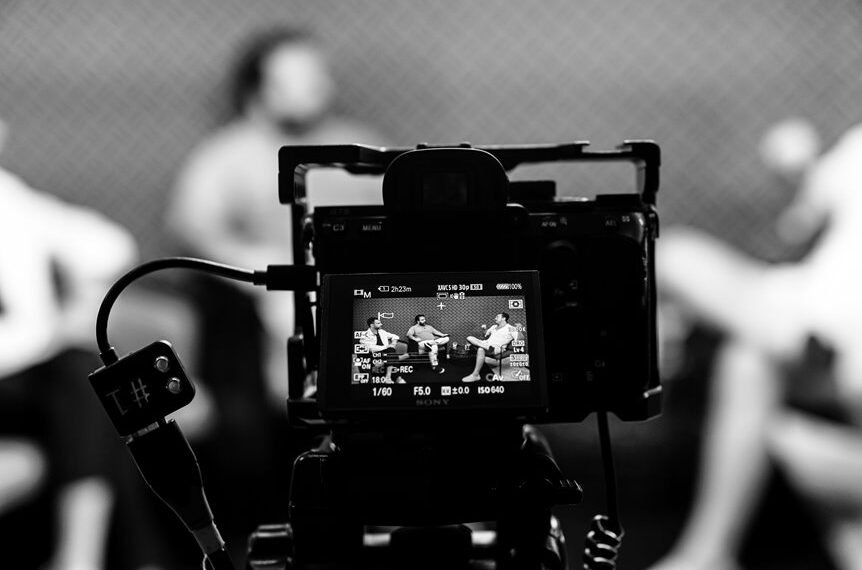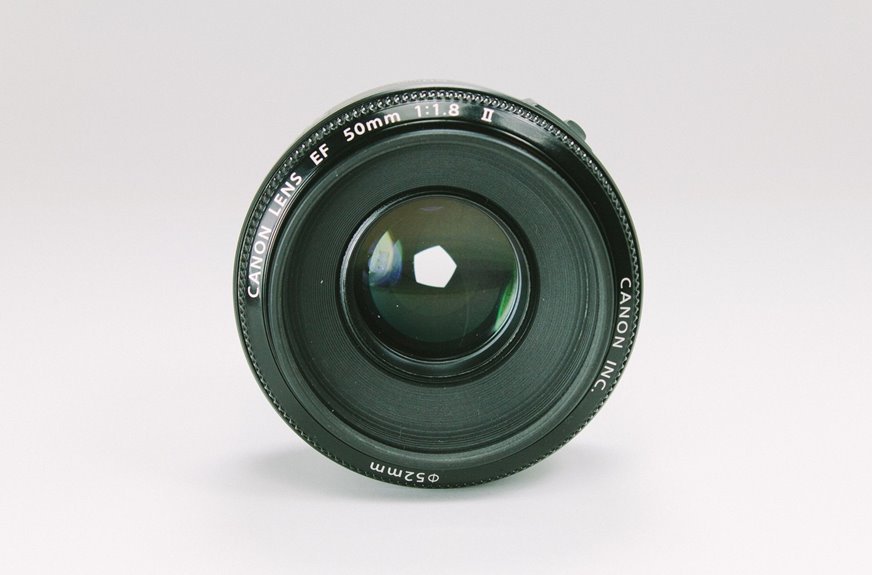
Lens focal length shapes how a scene breathes: longer lenses compress depth and sharpen separation, while shorter ones widen space and energy. The choice signals mood, guides movement, and alters scale with subtlety or charge. In everyday use, this is not just about optics but storytelling, where a single lens can evoke distance or immediacy. Editors weigh these cues to tell a clearer story, yet the decisive move often hides in plain sight, waiting to be chosen.
What Focal Length Does to Perspective and Compression
Focal length shapes how a scene is perceived: longer lenses compress space, bringing distant objects closer together, while shorter lenses expand distance, making the foreground appear more dominant.
In practice, photographers notice perspective distortion with wide angles and perspective compression with telephotos, guiding composition decisions.
The choice dictates spatial relationships, influencing how viewers interpret depth, scale, and freedom within the frame.
How to Map Scene Type to Focal Length Choices
In composing a shot, the selection of focal length should align with the scene type to preserve intent and legibility.
The text treats scene mapping as a practical guide, outlining focal length choices that suit mood, scale, and movement.
It favors concise, two word discussion ideas, offering quick decisions for experimentation and freedom within disciplined framing.
How Focal Length Shapes Depth, Background, and Subject Isolation
How does changing focal length reshape depth, background texture, and subject separation? In practice, longer lenses compress foreground and background, sharpening depth cues while isolating the subject from its surroundings. Shorter lenses reveal more scene, expanding context but softening separation. Subtle color fringing may appear at wide apertures, reminding viewers that focal choices sculpt perception as much as composition.
How to Evaluate Lenses: Practical Tests and Everyday Scenarios
Lens evaluation hinges on simple, repeatable tests and real-world use. In everyday scenes, the reader observes how micro-choices—framing, distance, light—reveal an optics kit’s character. A detached narration notes results without bias, emphasizing lens comparison and field testing outcomes. Practical tests simulate workdays, commutes, and spontaneous moments, guiding freedom-loving photographers toward reliable, meaningful choices.
How to Craft a Storytelling Shortlist: Quick Guide to Selecting Focal Lengths
Shortlists for storytelling rely on a few decisive focal lengths chosen to map a scene’s rhythm: wide for context, normal for presence, tele for emphasis. The storytelling shortlist offers a framework where choices evolve with mood, pacing, and character intent. Photographers assess space, movement, and intimacy, refining focal length strategies to reveal narrative truth without overstatement or clutter. Freedom rests in precise, purposeful perspective.
Frequently Asked Questions
How Does Focal Length Affect Autofocus Speed and Accuracy?
Autofocus speed and accuracy vary with focal length, as longer lenses magnify subjects and reduce depth of field, challenging tracking; shorter lenses enable faster locking. Auto focus performance also intertwines with color accuracy under changing light and contrast.
Can Focal Length Influence Color Rendition and Contrast?
A photographer recalls a shabby lighthouse beam guiding ships safely, illustrating that focal length can influence color fidelity and contrast behavior. It can subtly shift color rendition, affecting perceived color fidelity and contrast behavior under varied lighting.
Do Crop Factors Change Real-World Focal Length Outcomes?
Yes, crop factors alter real-world outcomes; the perceived field of view shifts, changing composition. In a blueprint comparison, sensor impact matters, guiding choices rather than absolute focal lengths, preserving freedom while balancing framing and optical realities.
How Do Lens Coatings Impact Flare and Ghosting With Different Lengths?
Coatings tame flare and ghosting across focal lengths, depending on angle and brightness; better flare suppression reduces veiling, while color rendition remains stable. Autofocus speed, crop factors, and real world outcomes sway cost to performance decisions.
What Is the Cost-To-Performance Balance Across Focal Lengths?
The cost-to-performance balance varies with focal length, favoring shorter options for portability and value, while longer primes maximize reach despite weight tradeoffs; autofocus quirks can tilt efficiency toward mid-range choices, balancing cost efficiency and practical versatility.
Conclusion
In the studio, distance shrinks as the long lens whispers intimacy; in the street, the wide angle widens truth, exposing clutter. A single scene lives in two speeds: compression that pulls subjects toward meaning, and expansion that stretches context into narrative. Editors weigh both angles, choosing focal lengths like editors choose vowels—sparingly, purposefully. The result is clarity born from contrast: isolation softened by environment, and space made essential by restraint. Thus, storytelling sharpens when focus meets proportion.