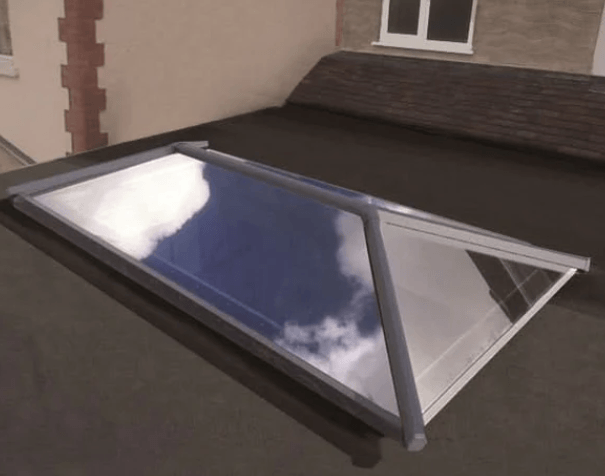
Natural light is one of the most important elements in modern architecture. It improves visual comfort, enhances energy efficiency, and contributes to healthier indoor environments. Among the most widely used daylighting solutions for flat and low-slope roofs are flat fixed rooflights.
These systems are specifically designed to provide consistent natural illumination without any opening or ventilation function. Their simplicity, durability, and performance make them a preferred choice for commercial, industrial, and residential buildings where reliable daylighting is the main objective.
This article explores what flat fixed rooflights are, how they work, their key benefits, design considerations, and where they are most effectively used.
What Are Flat Fixed Rooflights?
Flat fixed rooflights are non-opening glazed units installed on flat or low-pitch roofs to bring natural daylight into interior spaces. Unlike vented rooflights or skylights that can open for ventilation, flat fixed rooflights are permanently sealed systems designed exclusively for light transmission.
They are typically constructed using:
- Toughened or laminated glass
- Polycarbonate glazing
- Aluminium or PVC frames
- Thermal insulation layers
The flat design creates a sleek, modern appearance that blends seamlessly with contemporary architecture. Because they are fixed, they offer excellent weather resistance and require minimal maintenance.
Flat fixed rooflights are commonly installed in offices, schools, warehouses, hospitals, and residential extensions.
Why Flat Fixed Rooflights Are in High Demand
Modern building design increasingly prioritizes energy efficiency and occupant well-being. Flat fixed rooflights support both goals by providing high levels of natural light without the complexity of mechanical systems.
Their popularity has grown due to:
- Stricter building energy regulations
- Increased focus on sustainable architecture
- Demand for daylight-rich interiors
- Advancements in glazing technology
For example, modern office developments often incorporate multiple flat fixed rooflights across open-plan workspaces to reduce reliance on artificial lighting during daytime hours.
Key Benefits of Flat Fixed Rooflights
Improved Natural Daylighting
The primary advantage of flat fixed rooflights is their ability to introduce large amounts of natural light into interior spaces.
Because they are installed on the roof rather than walls, they capture direct overhead sunlight, which is more consistent throughout the day.
This results in:
- Brighter interiors
- Reduced dark zones in large spaces
- More balanced light distribution
In commercial environments such as warehouses or retail stores, this improved visibility enhances both safety and functionality.
Energy Efficiency and Reduced Operating Costs
One of the most significant benefits of flat fixed rooflights is their contribution to energy savings.
By increasing natural daylight penetration, they reduce the need for artificial lighting during daytime hours. This leads to lower electricity consumption and reduced operational costs. Pairing these lighting savings with a competitive electricity plan, such as those offered by gexa energy, can further reduce your overall utility costs.
Modern systems often include:
- Low-emissivity coatings
- Double or triple glazing
- Thermally broken frames
For instance, a logistics facility with extensive floor space can significantly reduce lighting expenses by strategically installing flat fixed rooflights across the roof structure.
Over time, these savings can have a major financial impact, especially in energy-intensive buildings.
Minimal Maintenance Requirements
Because flat fixed rooflights have no moving parts, they are extremely low maintenance compared to vented skylights.
Their sealed design reduces the risk of mechanical failure and minimizes ongoing servicing needs.
Routine maintenance typically includes:
- Cleaning the external glazing surface
- Inspecting seals and flashing
- Checking for debris buildup
This makes them ideal for commercial buildings where maintenance downtime must be minimized.
Enhanced Thermal Performance
Modern flat fixed rooflights are engineered to improve insulation while maximizing daylight transmission.
Advanced glazing technologies help regulate indoor temperatures by:
- Reducing heat loss in winter
- Limiting solar heat gain in summer
- Blocking harmful UV rays
This balanced thermal performance helps maintain comfortable indoor environments year-round.
For example, in office buildings, properly specified rooflights help reduce reliance on HVAC systems by maintaining stable internal temperatures.
Sleek and Modern Aesthetic Appeal
Architecturally, flat fixed rooflights offer a clean and minimalist appearance that complements modern building design.
Their flush or low-profile installation creates a seamless roofline, making them visually appealing for both residential and commercial projects.
Design advantages include:
- Unobtrusive roof integration
- Contemporary architectural styling
- Increased property value
In residential extensions, for example, flat fixed rooflights are often used to brighten kitchen and living spaces while maintaining a modern aesthetic.
Improved Occupant Well-Being
Natural light has a direct impact on human health and productivity.
Spaces equipped with flat fixed rooflights often experience:
- Improved mood and concentration
- Reduced eye strain
- Enhanced productivity
- Better sleep patterns in residential settings
In educational facilities, classrooms with rooflights create more engaging learning environments. In healthcare settings, natural daylight contributes to patient recovery and reduced stress levels.
Types of Flat Fixed Rooflights
Standard Flat Fixed Rooflights
These are basic non-opening units designed solely for daylight transmission.
They are widely used in:
- Residential extensions
- Small commercial spaces
- Office buildings
They offer a cost-effective solution for improving natural light.
High-Performance Thermal Rooflights
These systems are designed for superior insulation and energy efficiency.
They often include:
- Triple glazing
- Argon gas-filled units
- Advanced thermal breaks
They are ideal for energy-conscious buildings and projects aiming for high sustainability standards.
Walk-On Flat Fixed Rooflights
Walk-on rooflights are designed to be installed in areas where foot traffic is expected, such as terraces or rooftop spaces.
They are constructed using reinforced glazing capable of supporting weight while still allowing light transmission.
Applications include:
- Roof terraces
- Balconies
- Public access walkways
Modular Rooflight Systems
In large commercial buildings, multiple flat fixed rooflights can be installed in a modular layout to ensure even daylight distribution.
These systems are commonly used in:
- Warehouses
- Shopping centers
- Industrial facilities
Design Considerations for Flat Fixed Rooflights
Roof Structure Compatibility
Before installation, engineers assess the structural integrity of the roof.
Key considerations include:
- Load-bearing capacity
- Waterproofing systems
- Roof pitch and drainage
Proper integration ensures long-term performance and prevents structural issues.
Glazing Selection
The choice of glazing directly affects performance in terms of light transmission, insulation, and durability.
Common options include:
- Toughened glass for strength and safety
- Laminated glass for security and sound reduction
- Polycarbonate for lightweight and impact resistance
Each material offers specific advantages depending on the application.
Daylight Distribution
Effective daylight planning is essential to avoid uneven lighting or glare.
Designers consider:
- Roof orientation
- Skylight spacing
- Interior layout
For example, in open-plan offices, evenly spaced flat fixed rooflights help create consistent lighting across workstations.
Thermal and Solar Control
Without proper design, rooflights can lead to overheating or excessive glare.
To manage this, systems may include:
- Solar control coatings
- Diffused glazing
- Light-diffusing lenses
These features help maintain a comfortable indoor environment.
See also: Why Choosing the Right Boat Exhaust Fan Matters for Marine Performance and Safety
Industry Applications of Flat Fixed Rooflights
Residential Buildings
Homeowners often use flat fixed rooflights in extensions to bring natural light into kitchens, dining areas, and living rooms.
They help create bright, open spaces without compromising privacy.
Commercial Offices
Offices benefit significantly from improved daylighting.
Flat fixed rooflights reduce reliance on artificial lighting and contribute to a more productive work environment.
Warehouses and Industrial Units
Large industrial buildings often lack sufficient wall space for windows.
Flat fixed rooflights provide a practical solution by delivering overhead daylight across wide floor areas.
Educational Facilities
Schools and universities use rooflights to enhance classroom environments.
Natural light improves student focus and creates a more engaging atmosphere.
Healthcare Facilities
Hospitals and clinics incorporate flat fixed rooflights to improve patient comfort and support healing environments.
Daylight exposure has been linked to reduced stress and faster recovery times.
Installation and Maintenance Best Practices
Proper installation is critical for performance and durability.
Best practices include:
- Using certified installers
- Ensuring correct waterproofing and flashing
- Aligning rooflights with structural supports
- Conducting post-installation inspections
Maintenance is minimal but should include periodic cleaning and seal checks to ensure long-term efficiency.
Common Challenges and Solutions
Water Ingress
Leaks are typically caused by poor installation rather than product defects.
Using high-quality sealing systems and professional installation reduces this risk significantly.
Heat Gain
Excess solar heat can be controlled using:
- Low-E coatings
- Solar control glazing
- Strategic placement
Glare Issues
Glare can be minimized through diffused glass or internal shading systems.
Proper design planning ensures visual comfort throughout the day.
Future Trends in Flat Fixed Rooflights
The future of flat fixed rooflights is shaped by sustainability and smart building technology.
Emerging innovations include:
- Smart glazing that adjusts transparency
- Integrated solar energy capture systems
- Recyclable and eco-friendly materials
- AI-controlled daylight management systems
As buildings move toward net-zero energy goals, rooflights will continue to play an important role in reducing energy consumption and improving occupant comfort.
Conclusion
Flat fixed rooflights are a highly effective solution for introducing natural daylight into modern buildings. Their fixed, non-opening design makes them durable, low-maintenance, and highly energy efficient. From residential extensions to large commercial facilities, they offer significant benefits including improved lighting quality, reduced energy costs, enhanced occupant comfort, and modern architectural appeal.
With advancements in glazing technology and sustainable design practices, flat fixed rooflights continue to evolve as a key feature in energy-conscious construction. For tailored daylighting solutions that enhance both performance and aesthetics, contact us