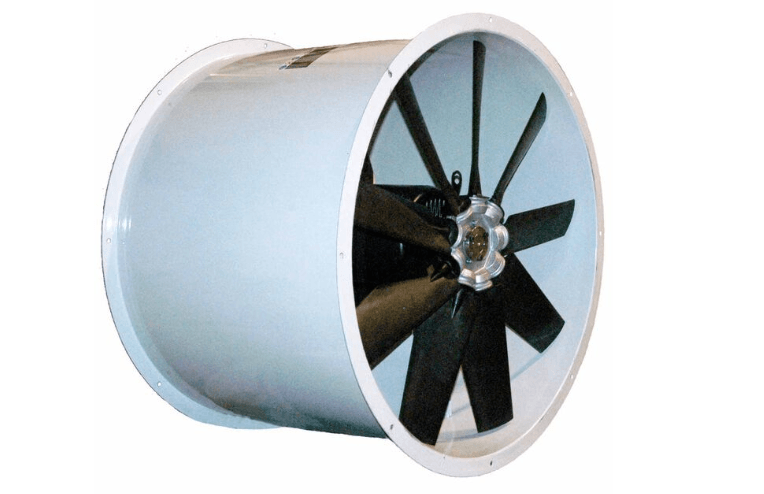
Marine vessels operate in demanding environments where ventilation, air circulation, and exhaust management are critical for both safety and performance. Whether on commercial ships, fishing boats, luxury yachts, or small recreational vessels, maintaining proper airflow is essential to ensure engine efficiency and onboard comfort. One of the most important components in any marine ventilation system is the boat exhaust fan.
A boat exhaust fan plays a vital role in removing hot air, engine fumes, moisture, and harmful gases from enclosed spaces within a vessel. Without proper ventilation, engine rooms and cabin spaces can become unsafe, uncomfortable, and prone to equipment damage. As marine technology continues to evolve, modern exhaust fan systems are becoming more energy efficient, durable, and capable of handling harsh maritime conditions.
This article explores the importance of boat exhaust fans, their working principles, different types, applications, benefits, installation considerations, maintenance practices, and how to select the right solution for marine operations.
Understanding the Role of a Boat Exhaust Fan
A boat exhaust fan is designed to extract stale air, fumes, heat, and moisture from enclosed areas within a marine vessel. These fans are commonly installed in:
- Engine rooms
- Cabins
- Galleys
- Battery compartments
- Storage areas
- Bilge spaces
Marine environments present unique ventilation challenges due to limited airflow, high humidity, saltwater exposure, and confined spaces. A high-quality boat exhaust fan ensures proper ventilation while improving onboard safety and operational efficiency.
The primary functions of a boat exhaust fan include:
- Removing hazardous fumes
- Controlling temperature
- Preventing moisture buildup
- Improving air quality
- Supporting engine performance
- Enhancing passenger comfort
Why Proper Marine Ventilation Is Essential
Marine vessels operate in enclosed conditions where airflow is often restricted. Without effective ventilation systems, heat and exhaust gases can accumulate rapidly.
Safety Concerns
Engine exhaust gases may contain carbon monoxide and other harmful pollutants. Proper ventilation is essential to reduce exposure risks and maintain safe air quality levels onboard.
Moisture and Corrosion Prevention
Excess moisture inside a vessel can lead to corrosion, mold growth, and structural damage. A reliable boat exhaust fan helps maintain dry conditions and protects onboard equipment.
Engine Efficiency
Marine engines generate significant heat during operation. Efficient ventilation systems help regulate engine room temperatures, preventing overheating and improving engine lifespan.
Passenger Comfort
Cabins and enclosed spaces can become uncomfortable without adequate airflow. Exhaust fans improve ventilation and create a more pleasant onboard environment.
Types of Boat Exhaust Fans
Different vessels require different ventilation solutions depending on size, application, and operating conditions. Manufacturers offer several types of marine exhaust fans to meet these requirements.
Axial Boat Exhaust Fans
Axial fans move air parallel to the fan shaft and are commonly used in marine ventilation systems.
Advantages:
- High airflow capacity
- Energy efficient
- Compact design
- Suitable for general ventilation
Common applications:
- Cabin ventilation
- Engine room cooling
- Galley exhaust systems
Centrifugal Exhaust Fans
Centrifugal fans use rotating impellers to generate higher air pressure, making them suitable for demanding ventilation tasks.
Advantages:
- Higher pressure capability
- Effective in long duct systems
- Better performance under resistance
Common applications:
- Engine compartments
- Industrial marine vessels
- Large yacht ventilation systems
Inline Marine Exhaust Fans
Inline fans are installed directly within duct systems and are designed for efficient airflow in confined spaces.
Advantages:
- Space-saving design
- Quiet operation
- Easy installation
Explosion-Proof Exhaust Fans
Some marine environments contain flammable vapors or gases. Explosion-proof boat exhaust fans are designed for hazardous applications.
Common applications:
- Fuel storage compartments
- Tanker vessels
- Offshore platforms
Key Features of a High-Quality Boat Exhaust Fan
Choosing the right marine ventilation equipment requires careful consideration of several important features.
Corrosion Resistance
Marine environments expose equipment to saltwater, humidity, and harsh weather conditions. A reliable boat exhaust fan should be made from corrosion-resistant materials such as:
- Stainless steel
- Marine-grade aluminum
- UV-resistant plastic composites
Waterproof Construction
Marine exhaust fans should be designed to withstand water exposure and harsh operating conditions without compromising performance.
High Airflow Efficiency
Efficient airflow is essential for proper ventilation. Modern boat exhaust fans are engineered to maximize airflow while minimizing energy consumption.
Low Noise Operation
Noise reduction is important for passenger comfort, especially on recreational vessels and luxury yachts.
Thermal Protection
Engine room fans must tolerate elevated temperatures and continuous operation under demanding conditions.
Applications of Boat Exhaust Fans
Boat exhaust fans are used across various marine sectors due to their versatility and operational importance.
Recreational Boats
Small recreational vessels use exhaust fans to improve cabin ventilation and maintain comfortable onboard conditions.
Luxury Yachts
Luxury yachts rely on advanced ventilation systems for passenger comfort, engine room cooling, and odor control.
Fishing Vessels
Fishing boats often operate for long hours in humid conditions. Proper ventilation helps prevent condensation and improves crew comfort.
Commercial Ships
Commercial vessels use heavy-duty boat exhaust fan systems to manage engine room temperatures and maintain safe working conditions.
Offshore Platforms
Marine exhaust fans play an important role in offshore oil and gas operations where ventilation and hazardous gas control are essential.
Benefits of Installing a Boat Exhaust Fan
Investing in a high-quality boat exhaust fan offers several operational and safety advantages.
See also: Why Businesses Are Prioritizing Marketing Social Media Wooster for Long-Term Growth
Improved Air Quality
Exhaust fans remove harmful fumes, stale air, and airborne contaminants from enclosed spaces.
Better Temperature Control
Engine rooms and cabins remain cooler and more comfortable with efficient ventilation systems.
Enhanced Equipment Protection
Reducing heat and moisture buildup helps protect electrical systems, engines, and onboard equipment from damage.
Increased Safety
Proper ventilation reduces the risk of gas accumulation and improves overall onboard safety.
Reduced Odors
Boat exhaust fans help eliminate unpleasant smells from fuel systems, cooking areas, and storage compartments.
Longer Equipment Lifespan
Maintaining proper airflow reduces stress on engines and electrical components, extending their operational life.
Practical Example: Engine Room Ventilation Upgrade
A commercial fishing vessel operating in tropical climates experienced frequent engine overheating and excessive humidity in the engine compartment. The vessel’s outdated ventilation system struggled to maintain airflow during long operating hours.
After installing a high-capacity centrifugal boat exhaust fan, the vessel achieved:
- Improved engine cooling
- Reduced humidity levels
- Lower maintenance costs
- Better fuel efficiency
- Improved crew comfort
This example highlights how effective marine ventilation systems contribute to operational reliability and long-term cost savings.
Factors to Consider When Choosing a Boat Exhaust Fan
Selecting the right marine exhaust fan requires evaluating operational needs and environmental conditions.
Vessel Size
Larger vessels require more powerful ventilation systems with higher airflow capacity.
Airflow Requirements
Proper airflow calculations are essential for effective ventilation and temperature control.
Installation Space
Marine engine rooms and compartments often have limited space. Compact fan designs may be necessary.
Power Supply Compatibility
Boat exhaust fans should match the vessel’s electrical system specifications.
Noise Considerations
Quiet operation is particularly important for passenger vessels and recreational boats.
Environmental Conditions
Fans operating in saltwater environments must be designed for corrosion resistance and long-term durability.
Installation Best Practices
Proper installation is essential for maximizing the efficiency and lifespan of a boat exhaust fan.
Correct Fan Placement
Fans should be positioned to optimize airflow and remove hot air or fumes effectively.
Proper Duct Design
Smooth and properly sized duct systems improve airflow efficiency and reduce resistance.
Vibration Isolation
Marine engines generate vibration that can affect fan performance. Anti-vibration mounts help improve durability and reduce noise.
Electrical Safety
Marine electrical installations must comply with safety regulations and waterproofing standards.
Common Maintenance Practices
Regular maintenance helps ensure reliable operation and extends the lifespan of marine ventilation systems.
Routine Cleaning
Dust, salt residue, and debris can reduce fan efficiency. Cleaning fan blades and ducts improves airflow performance.
Inspection of Electrical Components
Inspect wiring connections and motor systems regularly to prevent electrical failures.
Lubrication
Some marine exhaust fans require periodic lubrication of bearings and moving components.
Corrosion Checks
Inspect fan housings and mounting hardware for signs of corrosion or rust.
Performance Testing
Regular airflow and noise testing help identify potential maintenance issues before failures occur.
Emerging Trends in Marine Ventilation Technology
Marine ventilation systems continue to evolve with advancements in efficiency, automation, and environmental sustainability.
Energy-Efficient Motors
Modern boat exhaust fans use energy-saving motors that reduce power consumption without sacrificing airflow performance.
Smart Monitoring Systems
Digital monitoring technologies allow operators to track:
- Fan speed
- Temperature
- Airflow performance
- Maintenance schedules
Noise Reduction Technology
Advanced blade designs and acoustic insulation improve comfort by minimizing operational noise.
Lightweight Materials
Manufacturers are developing lightweight ventilation systems that improve fuel efficiency and simplify installation.
Eco-Friendly Manufacturing
Sustainable materials and environmentally responsible production processes are becoming more common in marine equipment manufacturing.
Common Mistakes to Avoid
Many vessel owners overlook key considerations when selecting marine ventilation systems.
Choosing Undersized Fans
Insufficient airflow capacity can lead to overheating and poor ventilation performance.
Ignoring Corrosion Resistance
Standard industrial fans may not survive harsh marine conditions. Always choose marine-grade equipment.
Poor Installation Practices
Improper fan placement and duct design reduce efficiency and increase maintenance needs.
Neglecting Maintenance
Failing to inspect and maintain ventilation systems can result in unexpected failures and reduced safety.
The Importance of Working with a Trusted Manufacturer
A professional marine ventilation manufacturer provides:
- High-quality materials
- Customized solutions
- Technical expertise
- Reliable performance testing
- Long-term support
An experienced boat exhaust fan supplier understands the unique demands of marine environments and can recommend systems tailored to specific vessel requirements.
Conclusion
A boat exhaust fan is an essential component in modern marine ventilation systems, providing critical airflow management for safety, engine performance, and onboard comfort. From recreational boats and luxury yachts to commercial vessels and offshore platforms, effective exhaust ventilation improves operational reliability while protecting both equipment and crew.
Choosing the right boat exhaust fan involves evaluating airflow requirements, corrosion resistance, installation space, and long-term durability. High-quality marine ventilation systems reduce heat buildup, improve air quality, prevent moisture damage, and enhance overall vessel efficiency.
As marine industries continue to prioritize safety, energy efficiency, and environmental responsibility, advanced boat exhaust fan technologies will remain essential for reliable marine operations. Investing in durable, high-performance ventilation equipment from a trusted manufacturer ensures long-term value, improved performance, and dependable operation in harsh marine conditions. contact us