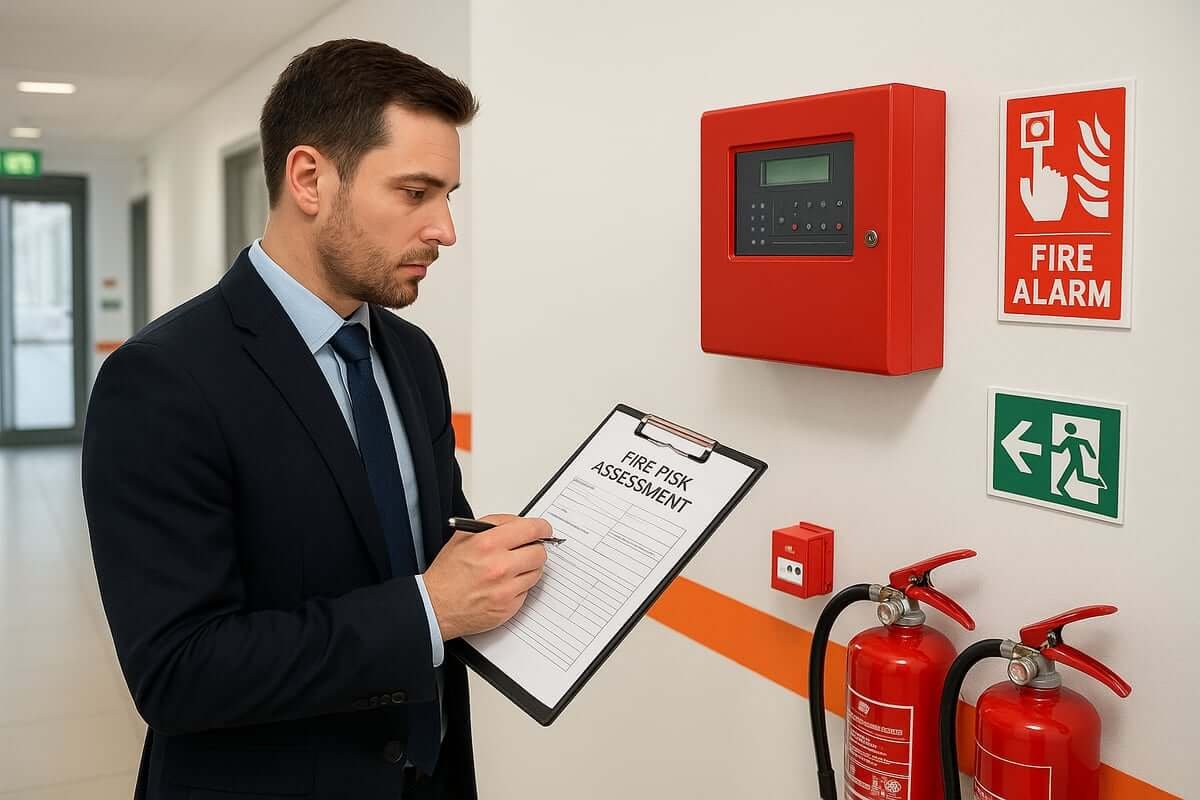
Fire safety is just as important for small businesses as it is for large organizations. Even a minor fire incident can cause serious harm, financial loss, or complete business closure. A fire risk assessment helps small businesses identify fire hazards, reduce risks, and put effective safety measures in place. This practical guide explains how small business owners can carry out and maintain a fire risk assessment in a clear and manageable way.
What Is a Fire Risk Assessment?
A fire risk assessment is a systematic review of a workplace to identify fire hazards, assess the risks they pose, and determine appropriate safety controls. It looks at how a fire could start, how it could spread, and who might be affected. The assessment also examines existing fire safety measures and identifies areas that need improvement.
For small businesses, fire risk assessments should be proportionate to the size and nature of the premises. Simpler operations may require less complex assessments, but all businesses must address basic fire safety principles.
Why Fire Risk Assessments Matter for Small Businesses
Small businesses are often more vulnerable to fire-related losses due to limited resources and insurance coverage. A fire risk assessment helps protect employees, customers, and business assets by reducing the likelihood of fire incidents.
Legal compliance is another key reason. Fire safety laws in many regions require businesses, regardless of size, to carry out fire risk assessments. Failure to comply can lead to fines, enforcement action, or closure of the premises.
A well-managed fire risk assessment also helps improve business continuity by minimizing downtime and preventing costly damage.
See also: Chicago Flights to India: Airlines, Routes & Average Flight Duration Explained
Common Fire Hazards in Small Business Premises
Small businesses face a range of fire hazards depending on their activities. Common ignition sources include electrical equipment, extension leads, heaters, and cooking appliances. Poorly maintained wiring and overloaded sockets increase fire risk significantly.
Fuel sources may include paper records, packaging materials, furniture, flammable liquids, and waste. Poor housekeeping, such as cluttered storage areas or blocked exits, can allow fires to spread quickly.
Oxygen sources, including ventilation systems and open windows, should also be considered during the assessment.
Identifying People at Risk
A critical part of a fire risk assessment is identifying who may be at risk if a fire occurs. This includes employees, customers, visitors, and contractors. Small businesses often have customers who are unfamiliar with the layout of the premises, increasing evacuation challenges.
Special consideration should be given to vulnerable individuals, such as people with disabilities, elderly customers, or staff with limited mobility. Lone workers and staff working outside normal business hours should also be included.
Fire Safety Measures and Emergency Planning
Fire safety measures should be appropriate for the size and risk level of the business. Fire alarms and smoke detectors must be installed where required and tested regularly. Fire extinguishers should be suitable for the types of fire risks present and placed in accessible locations.
Escape routes and emergency exits must be clearly marked, unobstructed, and easy to use. Emergency lighting and exit signage help guide occupants during power failures.
An emergency fire evacuation plan should be prepared and shared with all staff. This plan should explain alarm procedures, evacuation routes, assembly points, and staff responsibilities during emergencies.
Recording, Reviewing, and Maintaining the Assessment
Small businesses should record the findings of their fire risk assessment, even if not legally required to do so. Documentation helps demonstrate compliance and provides a reference for future reviews.
Fire risk assessments must be reviewed regularly and updated whenever changes occur, such as new equipment, renovations, or changes in staffing levels. Regular maintenance of fire safety systems ensures continued effectiveness.
Training and Fire Drills for Small Teams
Fire safety training is essential, even for small teams. Employees should understand how to respond to alarms, evacuate safely, and report fire hazards. Fire drills help reinforce training and identify weaknesses in evacuation procedures.
Training should be refreshed periodically and when new employees join the business.
Conclusion
A fire risk assessment is a practical and essential tool for small businesses. By identifying hazards, protecting people, and maintaining effective fire safety measures, small business owners can reduce risks and meet legal obligations. Regular reviews, staff training, and clear emergency planning help create a safer workplace and support long-term business success.