The guide examines 0120993476 as a numeric identifier whose meaning shifts with context, from a contact number to a product code or dataset entry. It emphasizes data integrity, provenance, and verifiable context, and it advocates cross-checking against official records. Caution is advised regarding scams that use urgency or impersonation. Practical, documented steps to verify legitimacy are outlined, with red flags and safety measures. The discussion signals further scrutiny and verification ahead, inviting careful consideration of how to proceed.
What Is 0120993476 and Why It Matters
0120993476 refers to a specific numeric identifier whose relevance depends on context, such as a contact number, product code, or dataset entry.
The analysis presents a neutral summary of its practical significance, separating functional use from broader narratives.
The discussion remains focused on data integrity, provenance, and verifiable context, avoiding unrelated topic or irrelevant discussion while maintaining clarity for a freedom‑oriented audience.
How to Verify If a Call or Listing Is Legitimate
To determine legitimacy, one should verify the caller or listing against established identifiers and independent records, rather than relying on superficial impressions.
Verification rests on cross-checking official directories, company contact details, and prior, verifiable disclosures.
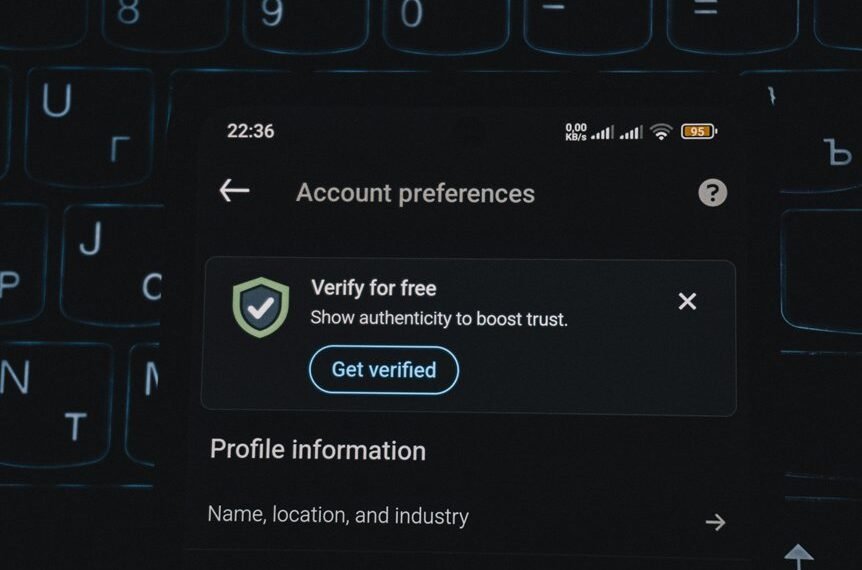
The reader should apply due diligence with calm evaluation, noting verify legitimacy and spotting red flags to prevent impulsive engagement or mistaken trust.
Common Scams Involving This Number and Red Flags to Watch
Common scams associated with this number typically exploit urgency, impersonation, and social engineering to elicit quick action from unsuspecting individuals. The analysis emphasizes scam prevention through disciplined caller screening, verification steps, and awareness of red flags such as unexpected requests for personal data or urgent financial action. By documenting patterns, readers remain vigilant and exercise measured skepticism to protect livelihoods and autonomy.
Practical Steps to Stay Safe and What to Do If Targeted
The discussion shifts from identifying scams to practical, actionable safety measures and clear steps for what to do if targeted. Individuals should document all interactions, preserve evidence, and report to relevant authorities promptly. Protective measures include changing passwords, enabling two-factor authentication, and using secure devices. Be aware of red flags, such as coercive requests, unusual contact times, and requests for sensitive data.
Conclusion
The piece concludes with a cautious note: maintain measured awareness when 0120993476 appears, using prudent verification rather than haste. While possibilities range from a routine contact to a misplaced entry, the prudent path is to cross-check with official records and independent sources, document interactions, and avoid sharing sensitive information prematurely. In uncertain situations, seek authoritative confirmation, preserve evidence, and engage appropriate authorities if red flags arise, ensuring a calm, methodical response that prioritizes data integrity and personal security.